



About the program
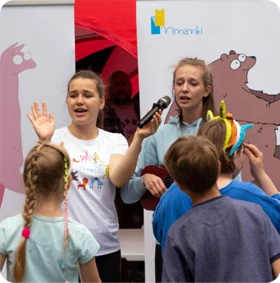
Ninanki is an educational program aimed at preschoolers and students in grades 1-3 of primary schools, encompassing physical and mental development based on learning basic movement patterns with the help of musical elements.
movement patterns
namely walking, squatting, trunk flexion, trunk extension, trunk rotation, pushing, and pulling, form the alphabet of movement.

Mastering these patterns early in life and nurturing them in later stages of development will help ensure the overall health of the body, prevent injuries, prepare for regular training, and ultimately serve as prevention against lifestyle diseases.
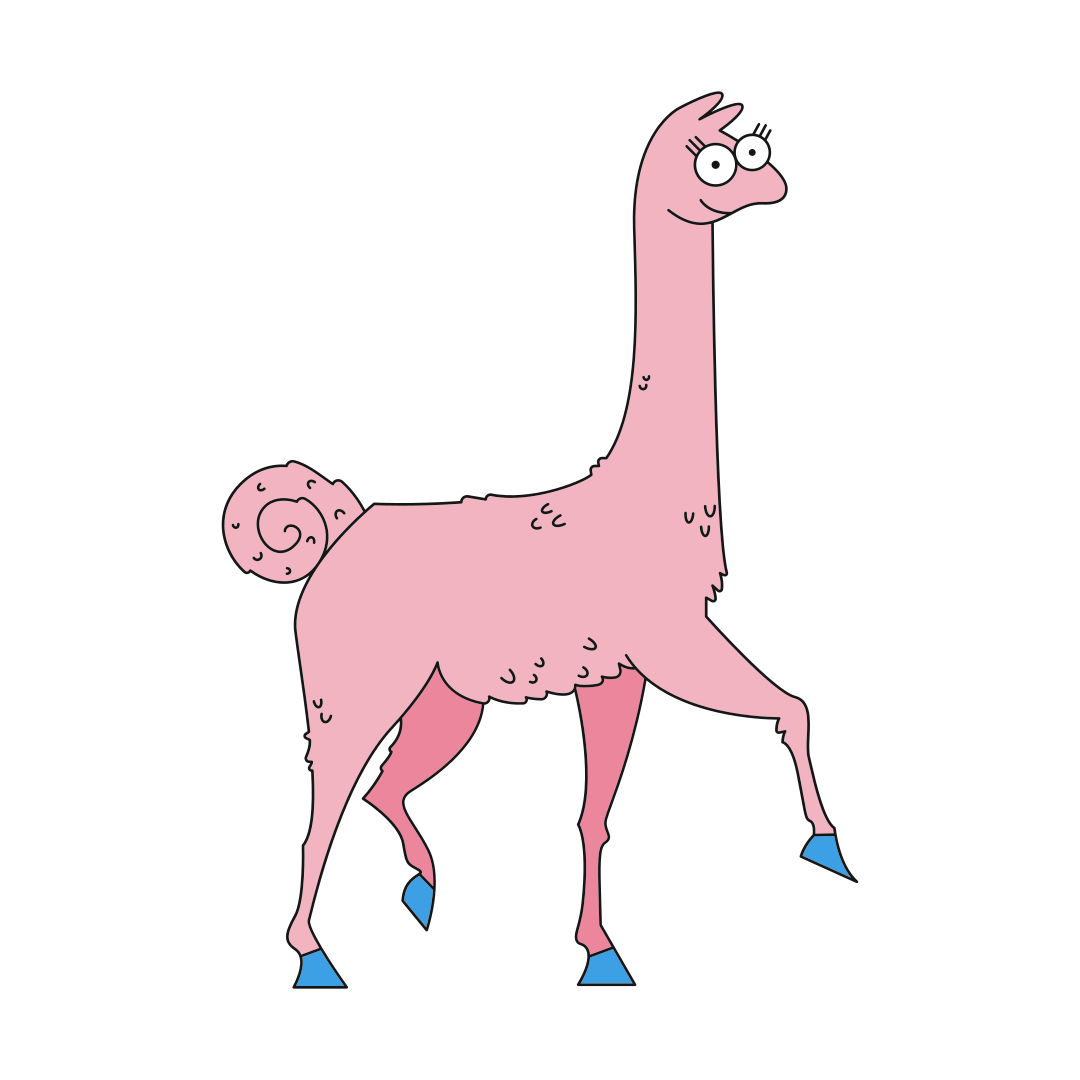
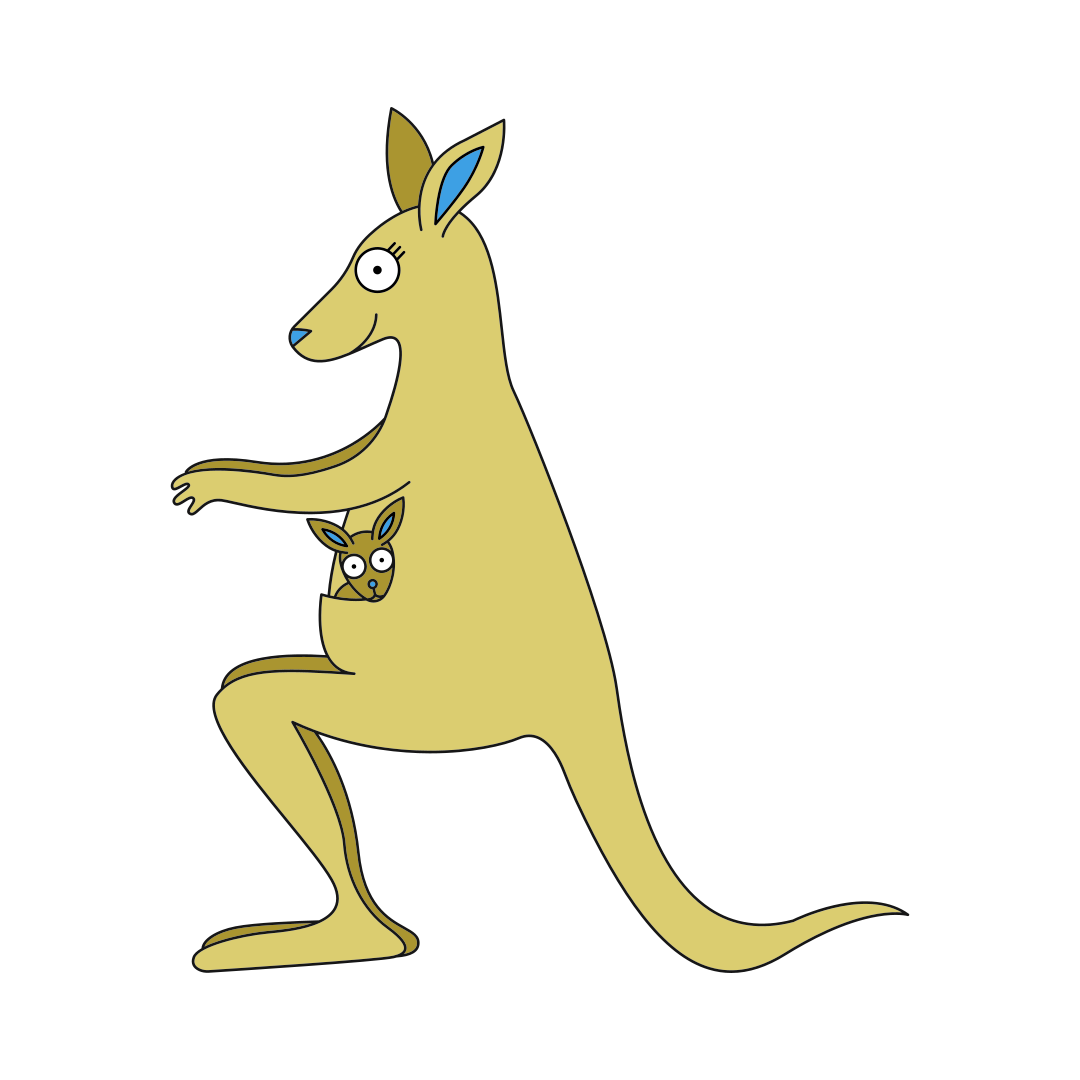
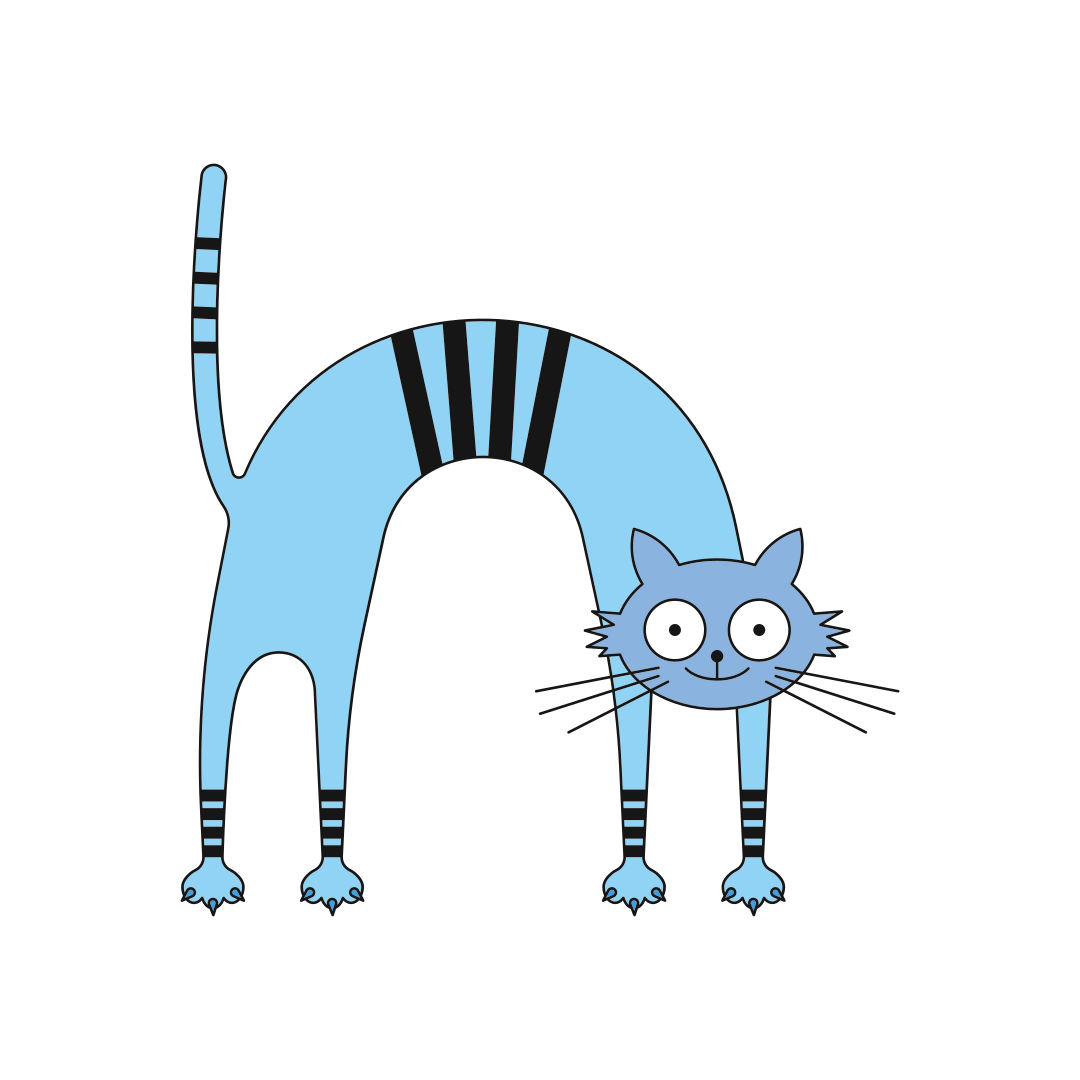
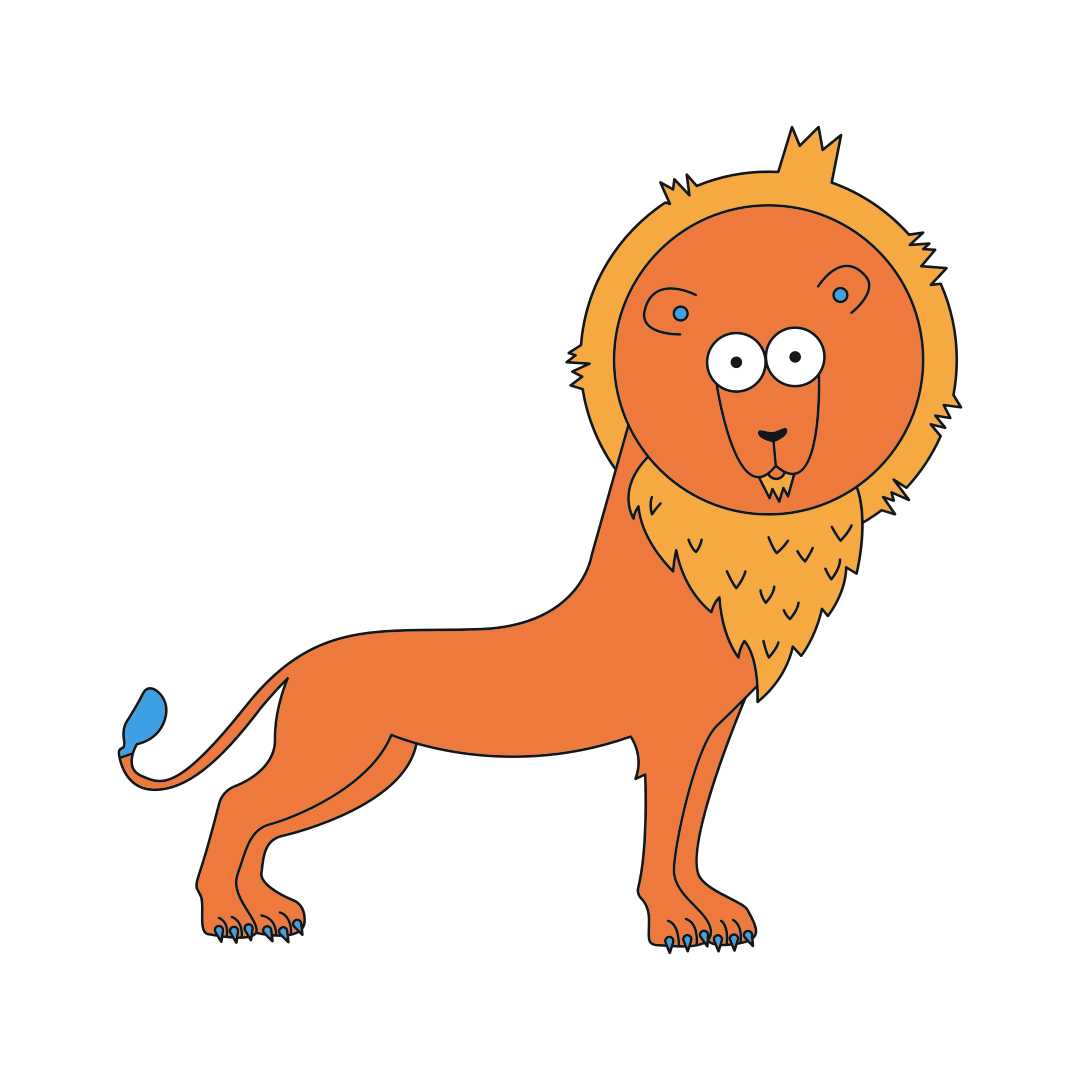
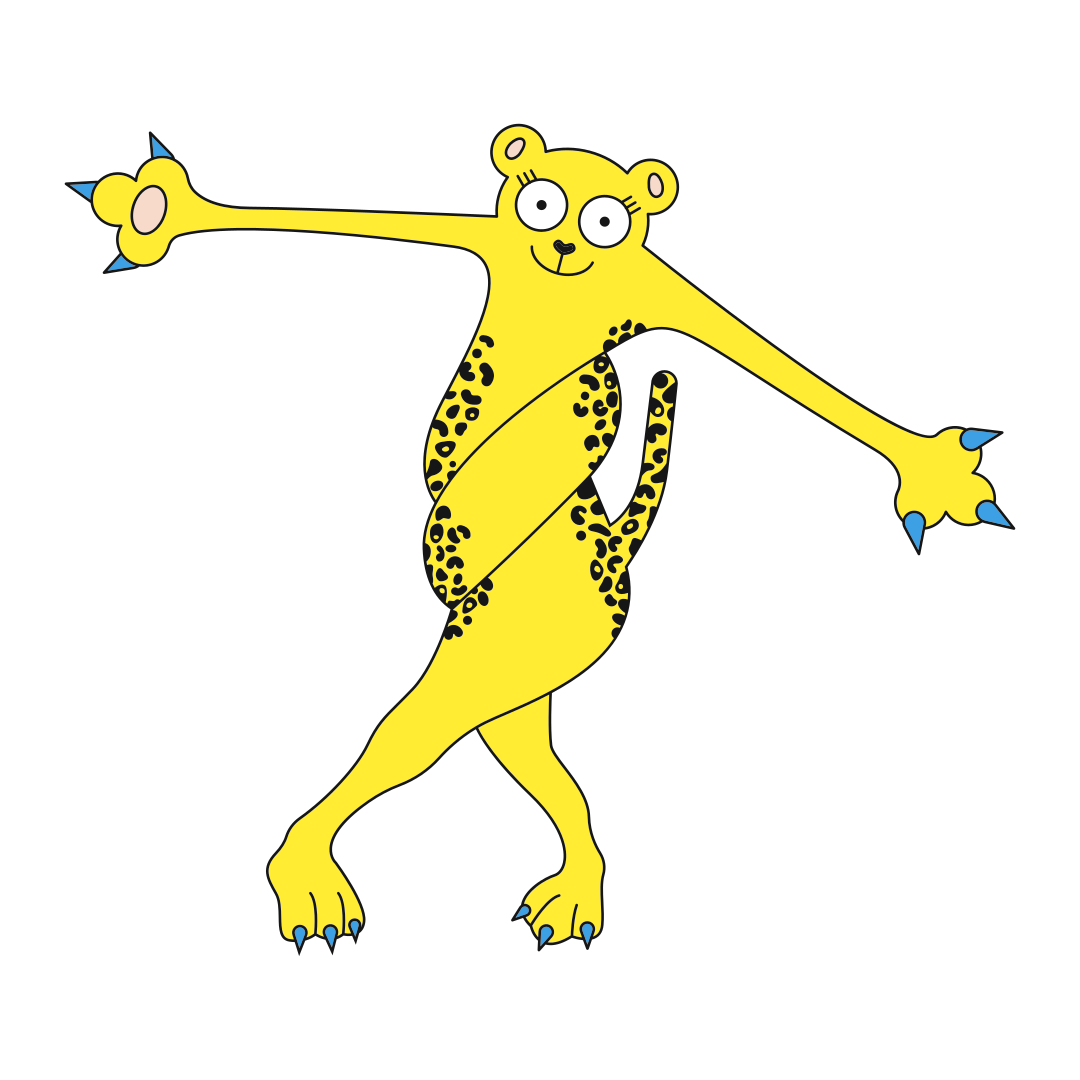
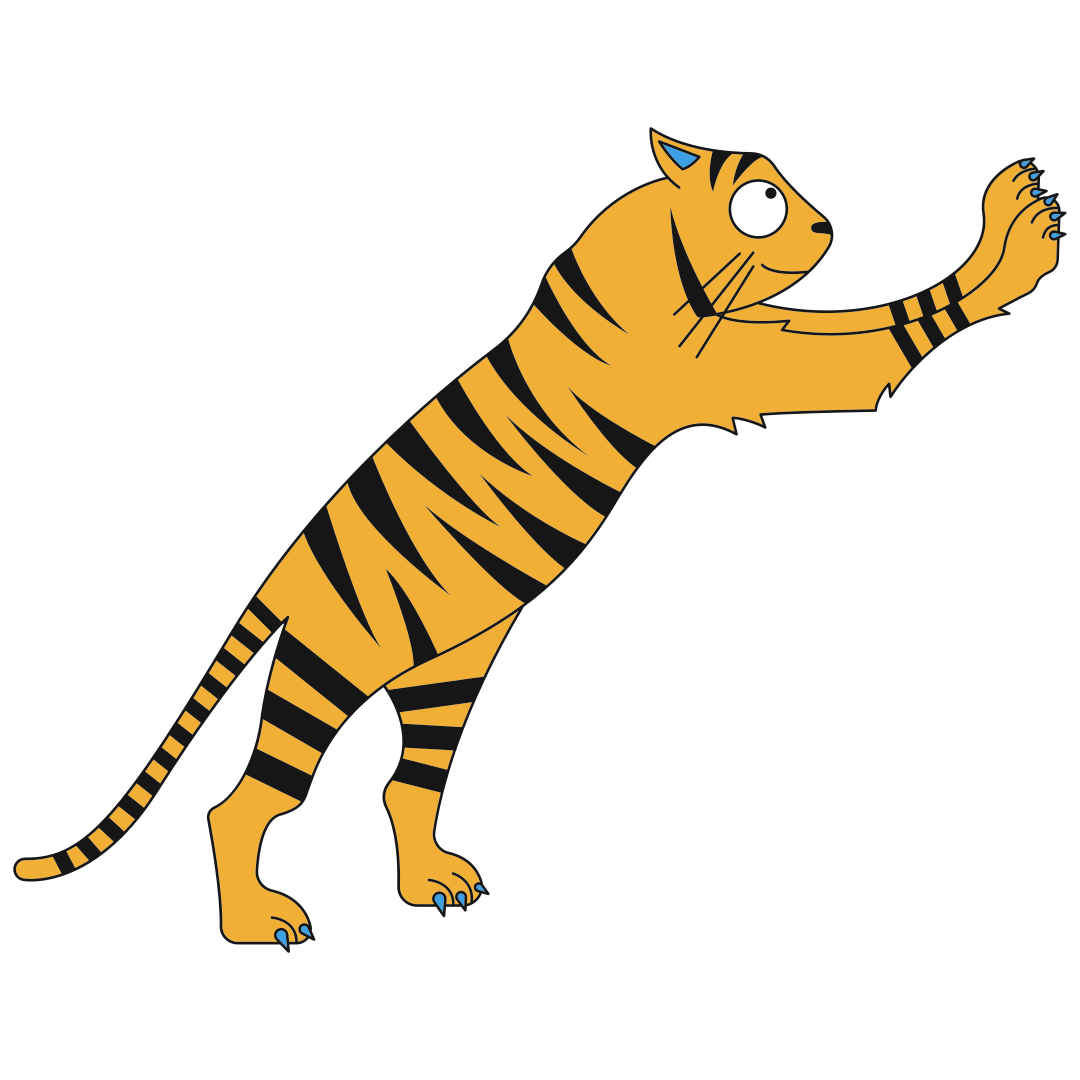
Ninanki presents the world of animals.
in which movement is a natural biological need, just as it is for young humans. Identifying animals with specific movements is an attractive way to teach children the fundamental principles of movement, and a well-chosen sports programme will have a positive impact on their physical and emotional development.
This type of programme should always be inextricably linked to pre-school and early school education, as well as to the functioning of relationships between parents and children, grandparents and grandchildren.
The origins of the project
The originator and creator of the project concept is Prof. Krzysztof Ficek, PhD.
Observing his granddaughters Natalia and Nina inspired him to create a world of animals that teaches young children to develop proper movement patterns in their bodies, which are an essential foundation for later physical activities. The aim of the project is not only to work on one's own body, increase the range of motion and learn the alphabet of movement, but also to engage in a number of other activities aimed at stimulating the child's development. A team of physiotherapists, orthopaedic doctors, musicians and artists involved in the project have made every effort to ensure that all elements are consistent with each other, stimulate children's imagination, provide space for creativity, and do not produce too many stimuli, which is often the case in children's everyday activities nowadays.
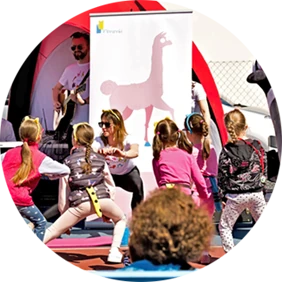
N I N A N K I are all children participating in the basic programme based on movement patterns
Psychological aspect of music in child development
Movement is a basic part of life, and learning how to move properly is the best gift we can give a child.
The aim of our project is to convey knowledge about the seven movement patterns in an exciting way. We assume that the project will be part of the educational programme for children aged 4–10. It is important to remember to communicate with children in a way that they can understand. Talk to children at their level, remembering that the listener is the most important person in a conversation. We intend to implement children's physical education through the Ninanki project. The key to success in implementing Ninanki is to ensure that the patterns and exercises are performed correctly. Our task is therefore to stimulate curiosity about different forms of movement, create a joyful atmosphere, and appreciate every attempt to overcome difficulties! In addition to implementing the correct form of movement and promoting physical activity, the project also draws attention to the social aspect — creating a hero in every child through motor skills can give the child self-confidence, protecting them from exclusion or bullying.